



The Unseen World of UK Horse Racing: Why It’s Not Always On
Horse racing in the UK is often viewed as an exhilarating spectacle, drawing thousands of spectators and millions in bets throughout the racing season. However, many fans find themselves frequently asking, “Why isn’t horse racing on today?” This question can arise from a variety of factors, ranging from weather conditions to logistical challenges. As a fan, understanding these nuances is crucial, and it’s worth exploring the many layers behind the scenes that influence racing schedules. For those looking for alternative options, UK horse racing not on GamStop non GamStop horse racing sites can provide exciting betting opportunities even when traditional races are off the calendar.
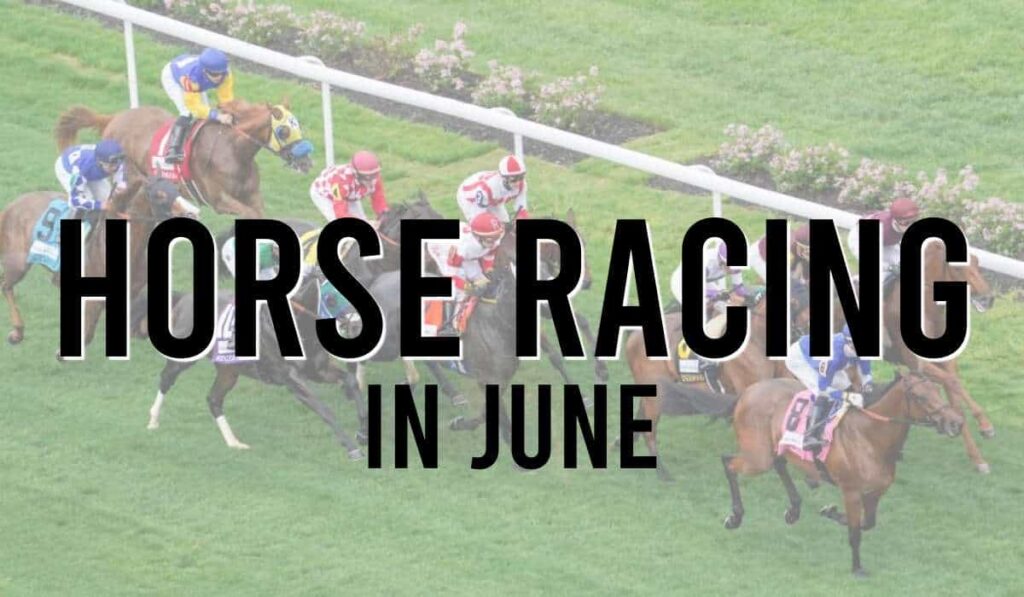
Key Factors that Affect Horse Racing Schedules
1. Weather Conditions
Weather is arguably the most significant factor impacting horse racing schedules in the UK. Rain, snow, or extreme temperatures can lead to the cancellation or rescheduling of events. Tracks may become unsafe for both horses and riders, prompting race officials to make the tough decision to call off an event. The welfare of the horses and jockeys is paramount, and if conditions are deemed unsuitable, the integrity of the sport is at stake.
2. Track Maintenance
Horse racing tracks require constant maintenance to ensure the safety and performance of the horses. Unexpected events such as heavy rains can damage the track or cause changes in the ground conditions necessitating immediate repairs. This maintenance can lead to the postponement of races. Racecourses often have schedules planned well in advance, but these get disrupted due to unforeseen circumstances.
3. Regulatory and Logistical Challenges
Horse racing is a heavily regulated sport, and sometimes races may not go ahead due to bureaucratic delays or issues with the compliance of participating horses. Additionally, logistical challenges can arise, such as transportation issues for horses coming from different locations or a shortage of jockeys due to unforeseen circumstances. All of these factors can contribute to a race day being canceled.
The Impact of Canceling Races
The cancellation of races not only affects avid fans but also has a ripple effect on various stakeholders within the racing industry. Bookmakers, owners, trainers, and jockeys all depend on racing for their livelihood, and when races are called off, they are left scrambling for alternative opportunities. Furthermore, the cancellation of planned betting events leads to financial losses for bookmakers and could negatively impact the overall economy surrounding horse racing.
Alternative Ways to Engage with Horse Racing
While the sudden cancellation of a race can be disappointing, there are countless ways for fans to stay engaged with the sport. Many enthusiasts are turning to digital platforms and non GamStop horse racing sites for up-to-date information, betting, and racing news. These platforms allow fans to remain connected even if traditional races are not on the schedule.
1. Online Betting and Virtual Races
With the rise of technology, virtual horse racing has become an alternative for fans who are eager to engage. These simulations replicate real-life horse racing and allow users to place bets as they would in a physical race. Many websites offer these virtual racing events, providing another form of entertainment when traditional races are not available.
2. Horse Racing Community Engagement
Online forums and communities dedicated to horse racing can offer fans insights and discussions about their favorite sport. Engaging in these communities can provide a fulfilling outlet for sharing opinions on potential future races or discussing other horse racing-related topics. Connecting with others who share your passion adds a social element that can be equally enjoyable, even when live races aren’t happening.
The Future of Horse Racing in the UK
The future trajectory of horse racing in the UK seems poised for continued evolution. As the industry adapts to various challenges—from regulatory pressures to changing audience demographics—one can anticipate both exciting developments and some hurdles. New technologies such as AI in race predictions, enhanced viewer experiences through augmented reality, and increased online engagement all point towards a transformative period in horse racing.
Above all, the passion for horse racing remains unwavering among fans. The sport’s rich history and exhilarating atmosphere continue to draw in attendees, and it’s vital that the industry maintains transparency and communication with its audience. By understanding the circumstances that lead to canceled races, fans can gain a deeper appreciation for the complexity of the sport and remain engaged regardless of the challenges it faces.
Conclusion
Horse racing in the UK may not always be on, but that doesn’t diminish the excitement and passion surrounding the sport. By understanding the various factors that contribute to cancellations and seeking out alternative avenues to enjoy horse racing, fans can continue to engage with this cherished pastime. Stay informed, remain connected in the community, and never lose sight of the thrill that horse racing brings, whether on the track or behind the screens.
